BC5110 Radio_FloorSetRadio
1 2025-03-25T18:31:43+00:00 Shanthuru Kalaiselvan 9cd9b51bfe58e0190a1a9f14431b3f9d801c63e6 135 2 De Luxe Highboy General Electric radio De Luxe Highboy General Electric radio plain 2025-03-27T23:12:51+00:00 1932 Musée des ondes Emile Berline. 2023. “De Luxe Highboy, General Electric, c.1932 | Radio at Home in Canada.” Radio at Home in Canada, November 14. https://www.communitystories.ca/v2/radio-chez-nous-canada_radio-at-home/gallery/luxe-highboy-general-electric/.Musée des ondes Emile Berline. 2023. “De Luxe Highboy, General Electric, c.1932 | Radio at Home in Canada.” Radio at Home in Canada, November 14. https://www.communitystories.ca/v2/radio-chez-nous-canada_radio-at-home/gallery/luxe-highboy-general-electric/. Shanthuru Kalaiselvan 9cd9b51bfe58e0190a1a9f14431b3f9d801c63e6This page is referenced by:
-
1
media/6225185.jpg
2025-03-25T20:32:31+00:00
How Did We Get Here?
21
plain
2025-03-28T11:22:59+00:00
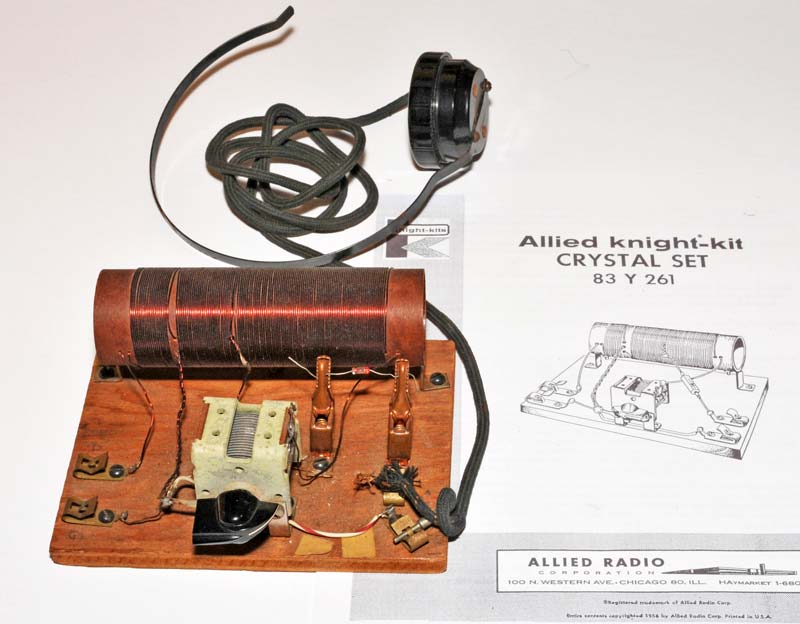
The earliest radios were crystal set radios typically built by hobbyists at home. They were limited in range and volume, and required headphones to listen to the broadcasts, which made using the crystal sets an individual activity (MacLennan, Windover, and Borck 2024a).
Crystal Sets
Technological advancements
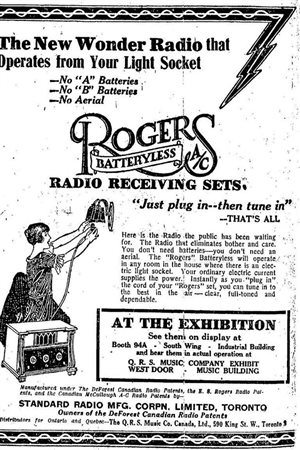
In 1925, the contribution from Canadian Edward S. Rogers led to the development of alternating current (AC) tubes which enabled radios to control amplification while also connecting to home electricity, eliminating bulky batteries within radios. In addition, the creation of the electro-magnetic cone-speaker in 1927 replaced the horn speaker by amplifying the sound of radio without distortion (MacLennan, Windover, and Borck 2024b). These advancements enabled increased sound quality and convenience in radios, which moved radios from semi-private spaces in the home (such as the attic, basement and garage) into public spaces such as the living room and kitchen (Windover and MacLennan 2017, 71).
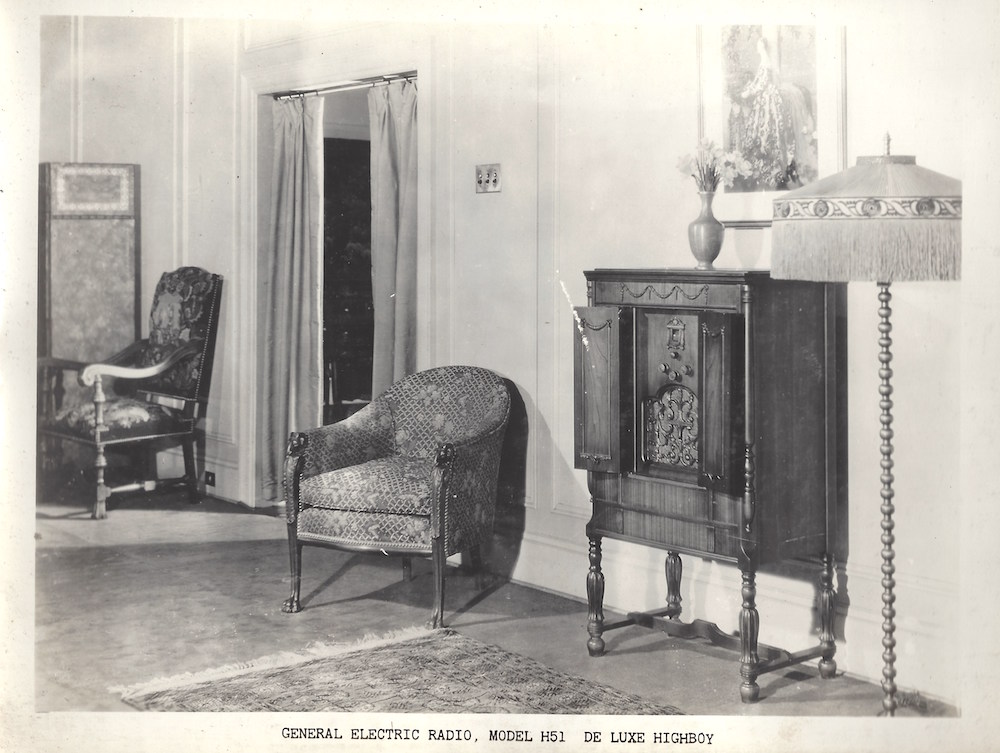
As a result of these significant technological advancements combined with the rise of Canadian broadcasting in the 1920s, there was a growing popularity in new self-contained floor sets. These radios were promoted beyond their technical specifications and were renowned for the craftsmanship of their wooden cabinets tailored to the taste of the upper class. Although popular in the homes of the affluent, the floor sets were out of reach for most Canadians as they were expensive—typically worth the weekly wage of an average Canadian male worker (MacLennan, Windover, and Borck 2024c). Furthermore, there was sparse radio signal over large areas and a lack of electrification in homes. Therefore, many Canadians still continued to use their crystal sets (Windover and MacLennan 2017, 14).
Radios into the home
Click below to read on how the tabletop radio became the ideal radio in the 1940s!